

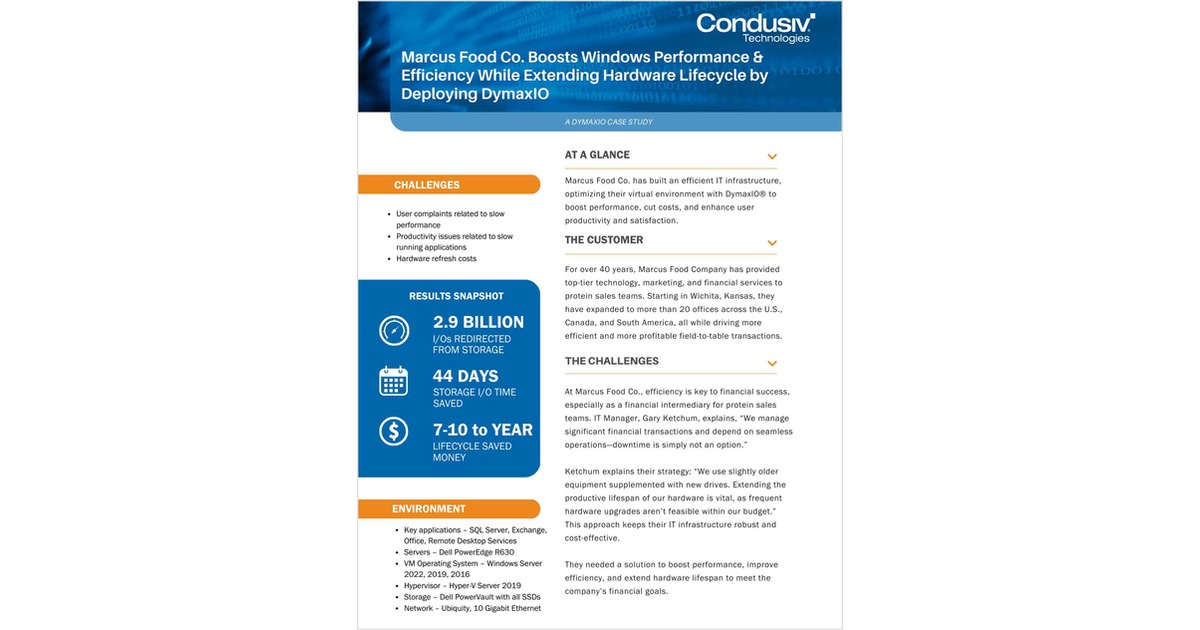
Marcus Food Co. Boosts Windows Performance & Efficiency While Extending Hardware Lifecycle by Deploying DymaxIO
A food distribution company extends SSD life to near-record levels, eliminates performance complaints, and saves hundreds of thousands of dollars by reducing un...
Key Takeaways for Enterprise Leaders
Actionable strategies verified against enterprise industry benchmarks and real-world rollouts.
Statistical evidence and market data to support executive budgeting and strategic alignment.
Executive Abstract
Peer ReviewedMarcus Food Co. operates demanding production systems that rely on fast, consistent performance while processing large volumes of transactional data. Like many organizations, they invested in SSD-backed infrastructure to meet performance demands—only to discover that Windows-generated I/O inefficiencies were placing unnecessary strain on storage and shortening hardware lifespan.
By deploying DymaxIO®, Marcus Food Co. transformed how I/O was generated and handled across their Windows environment. DymaxIO prevents inefficient split I/Os and serves hot reads directly from unused system memory, dramatically reducing the amount of traffic sent to storage devices.
The impact was substantial. After more than three years of heavy production use, Marcus Food Co.’s SSDs still retained 98% of their usable life—an outcome that allowed the company to project hardware lifespans of up to 10 years. At the same time, application responsiveness improved, network traffic declined, and performance-related user complaints were eliminated.
Beyond performance gains, the company realized significant cost savings by avoiding premature drive replacements and delaying major infrastructure refresh cycles. IT staff gained confidence knowing systems were running faster, more reliably, and with far less wear on storage hardware.
This case study highlights how intelligent I/O optimization can dramatically extend SSD longevity, reduce operational costs, and deliver consistent performance—without replacing existing infrastructure.
Unlock Report Access
Provide your corporate details for instant PDF access.
Related Executive Research
 Asset
Asset
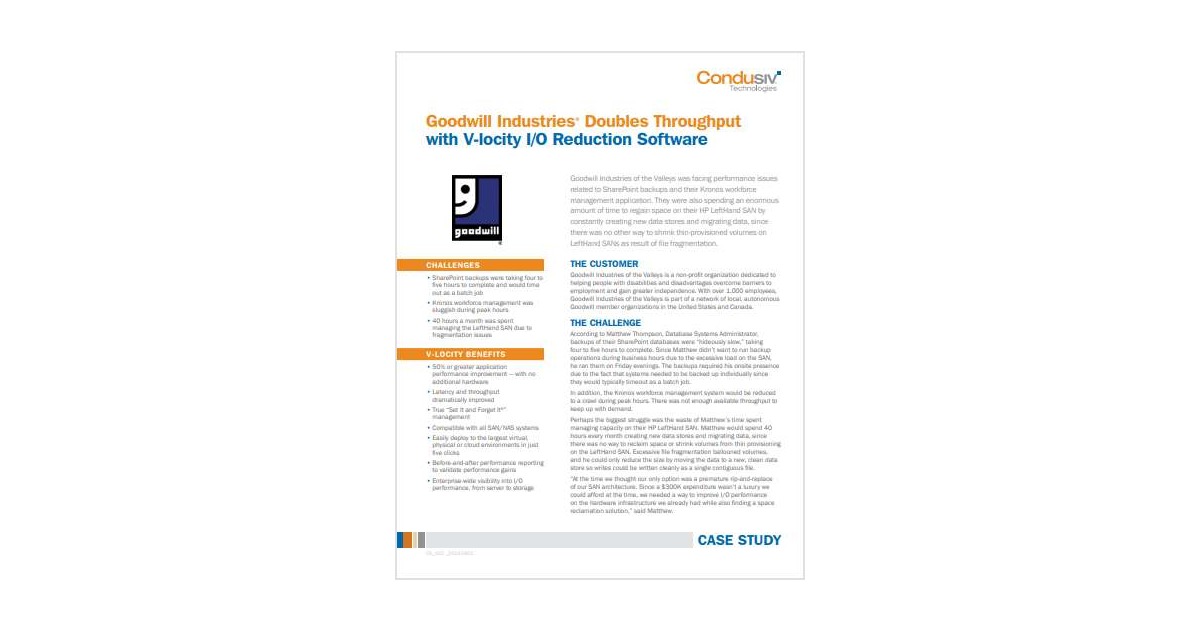
Goodwill Industries® Doubles Throughput with V-locity I/O Reduction Software
Goodwill Industries of the Valleys was facing performance issues related to SharePoint backups and their Kronos workforce management application. Goodwill Indu...
 Asset
Asset
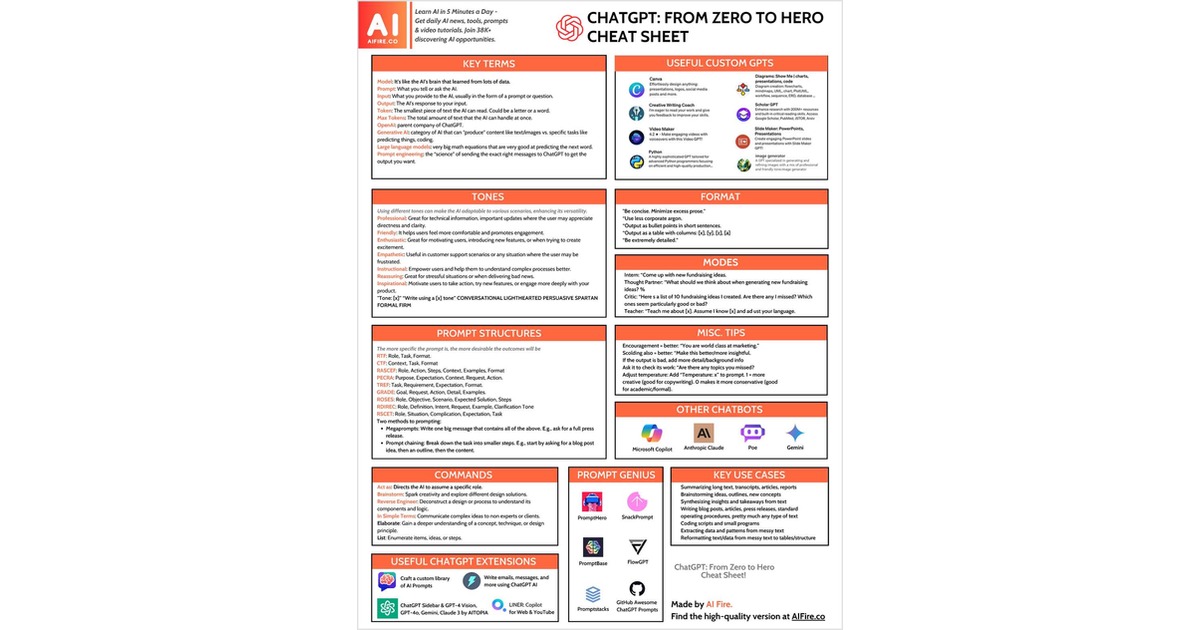
ChatGPT: From Zero to Hero Cheat Sheet
AI Fire's cheat sheet explores effective use of ChatGPT across various professional scenarios. AI Fire's cheat sheet - ChatGPT: From Zero to Hero, provides ess...
 Guide
Guide
(Re)defining Your Cloud Strategy: Options for VMware Migration and Beyond for Financial Services
Download Thrive and HPE’s Guide to Cloud Strategy to help you navigate what’s next. Whether you plan to stay on VMware, shift to a hybrid model, or explore...